How to Record and Protect Your Most Valuable Football Card Pulls
Pulling a rare football autograph card from a pack is a moment every collector remembers. The rush of seeing a famous signature on a card you just opened is hard to beat. But that excitement fades fast if the card gets damaged, lost, or mixed into a pile of commons. A little preparation before you rip the pack, and a few careful steps right after, can make the difference between a card that holds its value and one that becomes a lesson learned the hard way.
Whether you collect modern stars or vintage legends, the same principles apply. Autograph cards, especially those that are player worn or match worn, carry extra significance because they connect you directly to the athlete. That connection is part of what makes the hobby so rewarding. But it also means those cards deserve more care than a standard base card. Here is a practical checklist to help you record and protect a valuable pull from the moment it appears.
Prepare your workspace before you open anything
The worst time to look for a sleeve or a top loader is when you already have a valuable card in your hand. Dust, drinks, pets, and sudden movements are all risks. Set up a clean, flat surface with good lighting. Have your supplies ready: penny sleeves, rigid card holders, and a soft microfiber cloth. If you plan to sell or trade the card later, a notebook or a notes app on your phone will help you log details while they are fresh.
Avoid eating or drinking near your workspace. Spills happen quickly, and moisture is one of the fastest ways to ruin a card. Keep the area free of clutter so you do not knock anything over when you are focused on the pull.
Handle the card correctly from the first touch
When you remove a card from a pack, hold it by the edges. Oils from your skin can stain the surface over time, and fingerprints on a glossy finish are hard to remove without risking scratches. If the card has a signature, be especially careful not to touch the ink. Autograph ink can smudge even when it looks dry, and once it is smeared there is no fixing it.
Place the card directly into a penny sleeve as soon as you have checked it. Do not flex the card or tap it against the table. Even a small bend can create a crease that grading services will notice. Grading companies look at corners, edges, surface condition, and centering. A card that was perfect in the pack can lose points in seconds if handled carelessly.
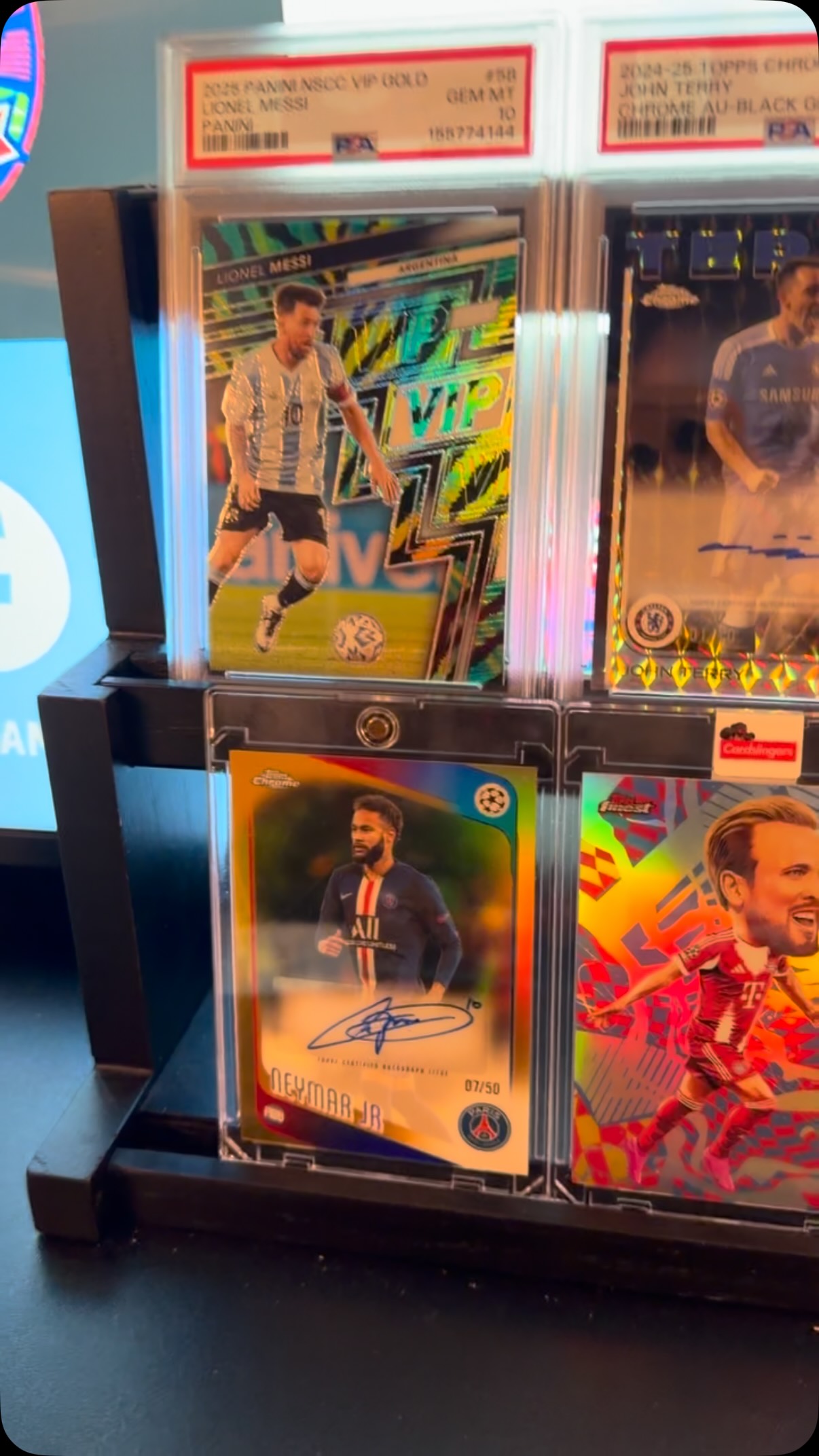
Record the pull details immediately
Once the card is safe in a sleeve, take a moment to note down the important information. Write down the player name, the set or series, the year, and whether it is a base autograph, a relic, or a match worn piece. If the card has a serial number, record that too. Serial numbers are unique identifiers that help prove authenticity later.
Photograph the card right away, before it goes into a box or a binder. Use a camera or phone with a clean lens. Take a front shot and a back shot in natural light or under a daylight bulb. Good photos serve two purposes: they give you a record of the card's condition at the moment of the pull, and they help you share the hit with other collectors if you want to. Keep the photos in a folder on your device or cloud storage so they do not get lost when you upgrade your phone.
If the card came from a live break or a repack, note the date and the seller. For example, collectors who buy from Craig Cam Cards often keep a log of which stream or batch produced the hit. That kind of detail adds to the card's story and can be useful if you ever decide to sell or trade it.
Choose the right storage for the card
Not all cards need the same level of protection. A common base card can sit in a box with other commons. A valuable autograph card needs a rigid holder. Penny sleeves alone are not enough for long-term storage because they are soft and can bend. Slide the sleeved card into a top loader or a one-touch magnetic holder. If the card is thick, like a relic or a multi-layer insert, use a thicker holder or a screw-down case.
Keep the card away from direct sunlight. UV rays fade ink and damage the surface. A cool, dry place with stable temperature is best. Basements and attics can have humidity swings that warp cards. If you live in a damp climate, consider silica gel packs in your storage box. The goal is to keep the card in the same condition it was in when you pulled it.
Think about grading early
Grading is not for every card, but for a high-value autograph card it is often worth considering. A graded card comes back sealed in a tamper-evident slab with a numerical condition score. That slab protects the card from handling, and the grade gives buyers confidence. Cards that grade high usually sell for more than raw copies of the same card.
If you are thinking about grading, handle the card as if it will be submitted. Do not clean the surface with anything other than a soft, dry microfiber cloth. Do not try to remove surface scratches with liquids or polishes. Grading companies detect residue and will flag it as altered. Just sleeve it, holder it, and store it safely until you decide.
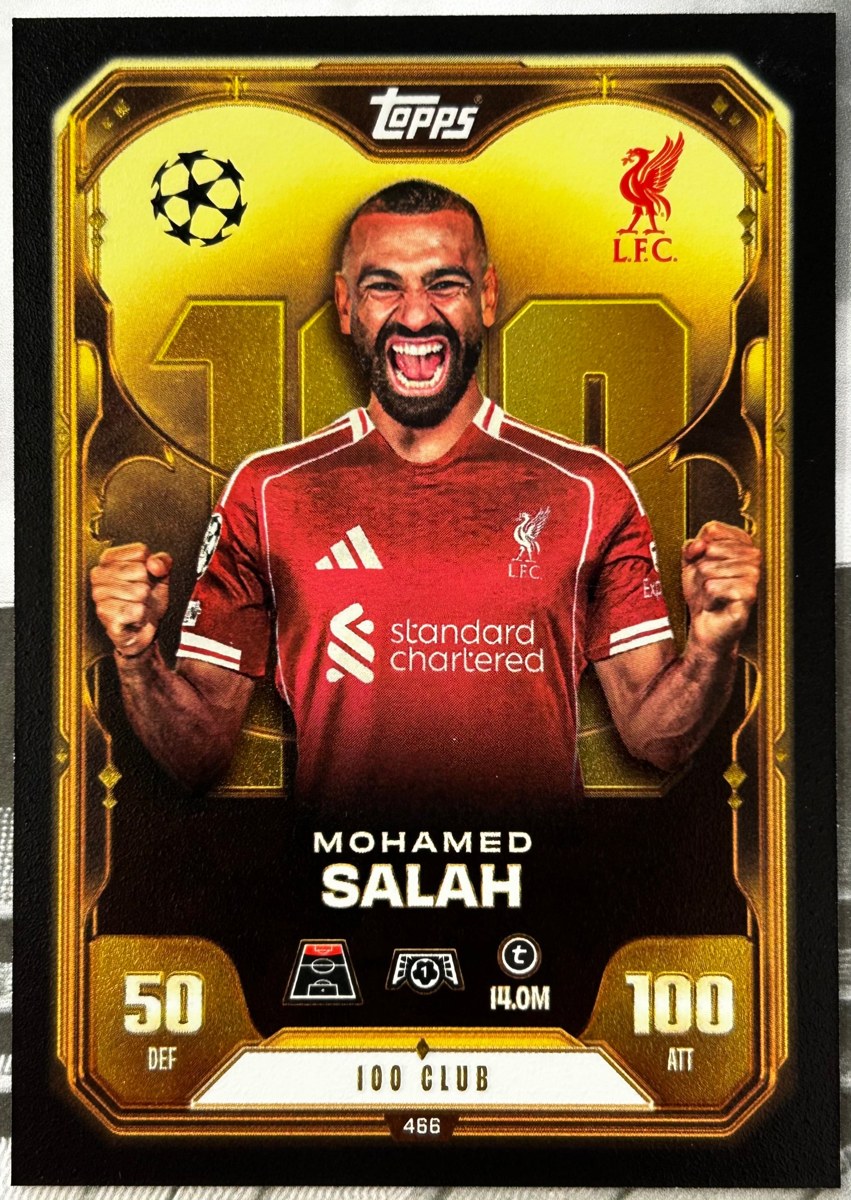
Check the grading company's website for current submission guidelines. Different companies have different rules about card prep and shipping. Follow them to the letter. A card that arrives in a bent envelope or a flimsy package will not get a fair look.
Build a provenance trail
Provenance is the history of a card's ownership and origin. For modern football autograph cards, provenance often starts with the pack or the break. Keep the receipt, the packing slip, or the confirmation email from the seller. If the card came from a live Whatnot stream, take a screenshot of the moment it was pulled. That screenshot ties the card to a specific event and makes it harder for anyone to dispute its authenticity later.
Write down any information about the card that came with it. If a seller stated that a card is player worn or match worn, note that detail and who said it. A card with clear provenance is easier to sell, trade, or insure than one that has no backstory.
Some collectors use spreadsheets to track their collection. A simple table with columns for player, set, condition, serial number, purchase date, and notes works well. Others prefer a dedicated app. Whichever method you choose, update it the same day you add the card to your collection. Memory is unreliable, and details blur after a few weeks.
Insure the collection if it grows large
Once your collection passes a certain value, standard home insurance may not cover it fully. Check your policy. Many home contents policies have a limit for collectibles, and high-end autograph cards can exceed that limit quickly. Specialist collectibles insurance is available and usually costs a fraction of the collection's value. The insurer will want a detailed inventory with photos and estimated values. That is where your records from the moment of the pull become essential.
Keep your inventory in a safe place. A cloud backup is good, but a printed copy in a fireproof safe or a safety deposit box adds another layer. If you ever need to make a claim, the insurer will ask for proof of ownership and condition. Your photos, serial numbers, and provenance notes will make that process smooth.

Stay consistent with your process
The best checklist is the one you actually follow every time. It does not matter if you are pulling a common or a chase card. Building the habit means you never have to scramble when a big hit lands. Over time, your collection will grow with cards that are well-documented, properly stored, and ready for whatever you decide to do with them, whether that is trading, selling, or simply displaying them with pride.
Many collectors find that their biggest regret is not a card they failed to pull, but a card they damaged or lost because they were not ready. A few minutes of preparation and a consistent routine remove that risk. The hobby is more enjoyable when you know your cards are safe.
For those who buy from UK-based sellers like Craig Cam Cards, the same principles apply. Every pull, whether from a repack or a fresh box, deserves the same care. The moment you open the pack is the start of that card's journey in your collection. Make sure it starts well.